
Eating Seasonally For Your Health: The Simple Way to Boost Your Gut
Your gut microbiome thrives on variety. And the most natural way to give it that variety? Follow what’s growing around you throughout the year. This post will show you exactly how seasonal eating can transform your health, plus give you a simple roadmap for what to eat each season.
Have you ever wondered why your grandmother’s diet seemed so much simpler, and somehow more satisfying than all the complicated nutrition advice floating around today? Here’s what she knew that we’ve forgotten: eating with the seasons is one of the easiest ways to supercharge your gut health and overall wellbeing.
Why Your Gut Craves Variety
Here’s something that might surprise you: the diversity of bacteria in your gut directly impacts how healthy you feel every single day. When you eat a wide range of plant foods, you’re essentially feeding different types of beneficial bacteria. Each plant food contains unique prebiotic fibers, resistant starch, and polyphenols. Think of these as specialized food for your gut bugs.
Research shows that people who consume more than 30 different plant foods every week have a much more diverse gut microbiome and produce more beneficial short-chain fatty acids than those who eat less than 10 different plants weekly. These short-chain fatty acids are like supercharged fuel for your body, supporting everything from immune function to mental clarity.
The more variety in your diet, the more diverse your gut bacteria become. And diversity is a key marker of good gut health. Your microbiome literally becomes stronger and more resilient when you feed it a rainbow of different plant foods.
The Seasonal Solution
So how do you naturally add this variety without turning meal planning into a full-time job? Eat seasonally. When you align your eating with what’s naturally growing in each season, you automatically rotate through different nutrients and plant compounds throughout the year.
Let me walk you through what this looks like in practice:
Summer: The Time for Hydration and Energy
Summer brings us water-rich foods and energy-boosting nutrients when we need them most. Focus on:
Fruits: Apricots, berries, cherries, figs, grapes, lychee, mulberries, peaches, pears, plums
Vegetables: Asparagus, beetroot, capsicum, carrot, cucumber, eggplant, radish, rhubarb, squash, tomatoes, zucchini
These foods are naturally hydrating and packed with antioxidants to protect your skin from sun damage. Plus, the fiber variety keeps your gut bacteria happy during those active summer months.
Autumn: Building Immunity for Cooler Days
As temperatures drop, autumn foods help strengthen your immune system and provide grounding nutrients:
Fruits: Apples, figs, grapefruit, nashi, oranges, papaya, pears, pomegranate, strawberries
Vegetables: Artichoke, Brussels sprouts, cabbage, cauliflower, celery, eggplant, sweet potato, turnips
The warming spices and heartier vegetables of autumn naturally support your body as it prepares for winter. Sweet potatoes and squash provide beta-carotene, while cruciferous vegetables like Brussels sprouts support your liver’s detoxification pathways.
Winter: Deep Nourishment and Warmth
Winter foods are all about sustaining energy and providing deep nutrition during the colder months:
Fruits: Apples, grapefruit, kiwi fruit, lemons, limes, mandarins, oranges, persimmon
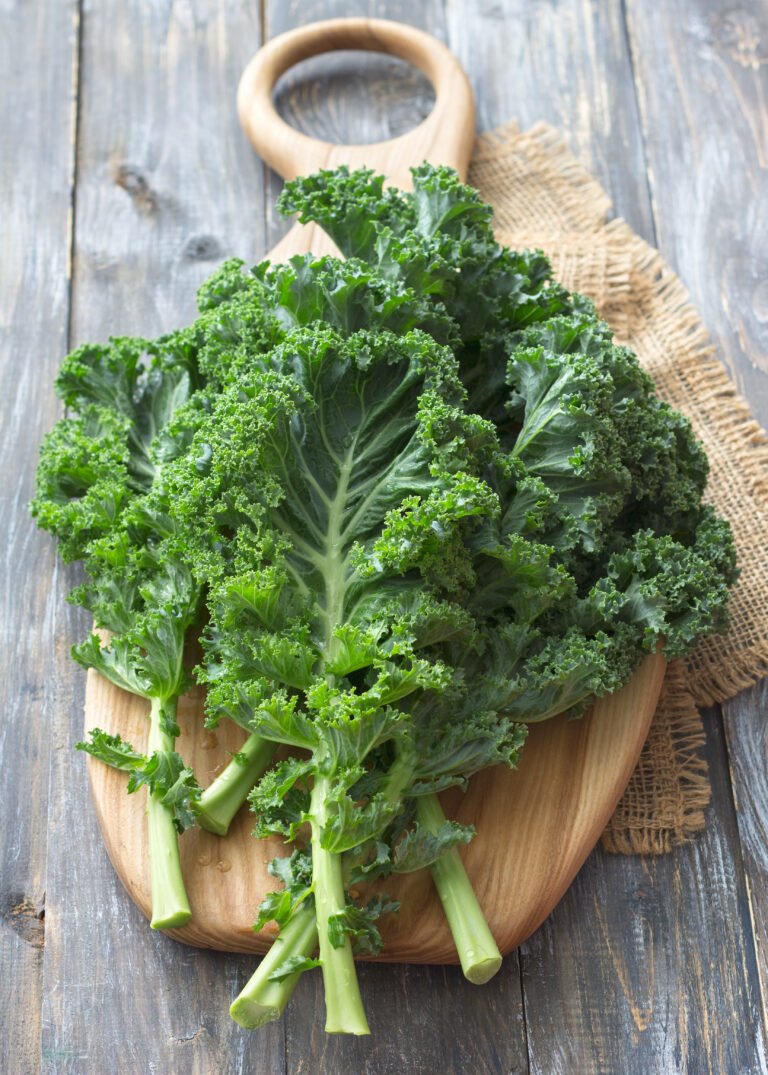
Vegetables: Broccoli, Brussels sprouts, cabbage, fennel, kale, leek, okra, parsley, parsnips, peas, potatoes, spinach
Citrus fruits provide immune-boosting vitamin C, while dark leafy greens like kale and spinach are packed with minerals your body craves during the shorter days.
Spring: Fresh Starts and Gentle Cleansing
Spring brings fresh, cleansing foods that help your body transition into the more active months ahead:
Fruits: Berries, cherries, grapefruit, lemons, limes, lychees, mandarin, mulberry, papaya
Vegetables: Asparagus, capsicum, cauliflower, cucumber, globe artichoke, leek, peas, silverbeet, spinach, spring onion, broccoli
These lighter foods support natural detoxification and provide the energy boost you need as daylight hours increase.
Making It Work in Real Life
I know what you’re thinking: “This sounds great, but how do I actually implement this?” Here’s what I need you to do:
Start simple. Pick one new seasonal food each week and add it to meals you’re already making. If it’s summer, throw some fresh berries into your morning routine. If it’s winter, add some kale to your usual stir-fry.
Keep a running list of how many different plant foods you eat each week. Aim for that magic number of 30—but don’t stress if you don’t hit it right away. Even increasing from 10 to 15 different plants will make a noticeable difference in how you feel.
Shop at farmers markets or join a CSA box program. These automatically introduce you to seasonal variety without the guesswork. Plus, seasonal produce is usually more affordable and tastes better because it’s picked at peak ripeness.
Your Gut Will Thank You
Eating seasonally isn’t about following another complicated diet plan. It’s about working with your body’s natural rhythms and giving your gut microbiome the diversity it craves. When you feed your beneficial bacteria a rotating feast of different plant compounds throughout the year, you’re investing in better digestion, stronger immunity, and more stable energy.
Your grandmother was onto something with her simple, seasonal approach to eating. She understood that the best nutrition advice is about eating what grows around you, when it naturally grows. Start this week by adding just one new seasonal food to your routine. Your gut bacteria are waiting to welcome the variety.